

Keeping Trees Healthy
Tree Care & Preservation
Are you worried about a sickly or potentially hazardous tree on your property? The certified arborists at Treemaster are here to help. With years of experience in professional tree care, our team can assess your tree’s condition and determine whether it can be saved and preserved for future generations.
We specialize in thoughtful, science-based tree care practices that promote the long-term health and stability of your trees. From soil analysis and pest management to pruning and structural support, here are some of the proven preservation methods we use to ensure your trees thrive and remain healthy for years to come.
Whether you’re dealing with storm damage, disease, or simply want to enhance the beauty and safety of your landscape, Treemaster provides expert tree care solutions tailored to your needs. Contact us today to schedule an evaluation with our knowledgeable team.
Professional
Tree Cabling & Bracing
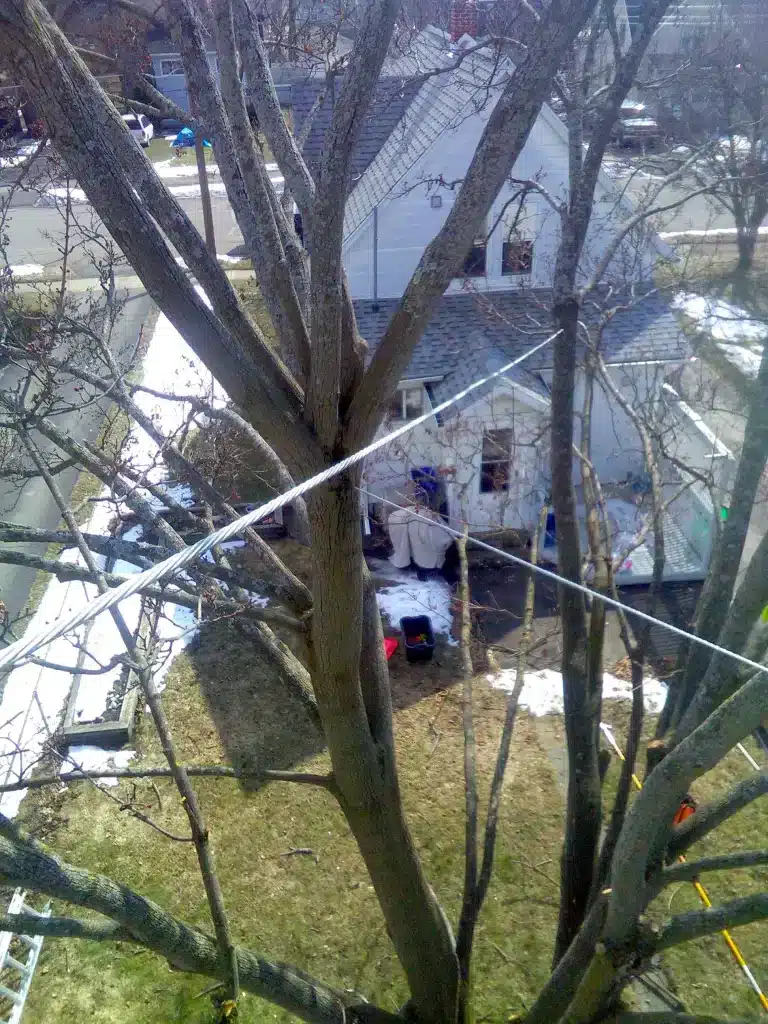
Cables limit branch movement and reduce strain on your tree.
Brace rods add extra support to splitting limbs.
Specialized Care
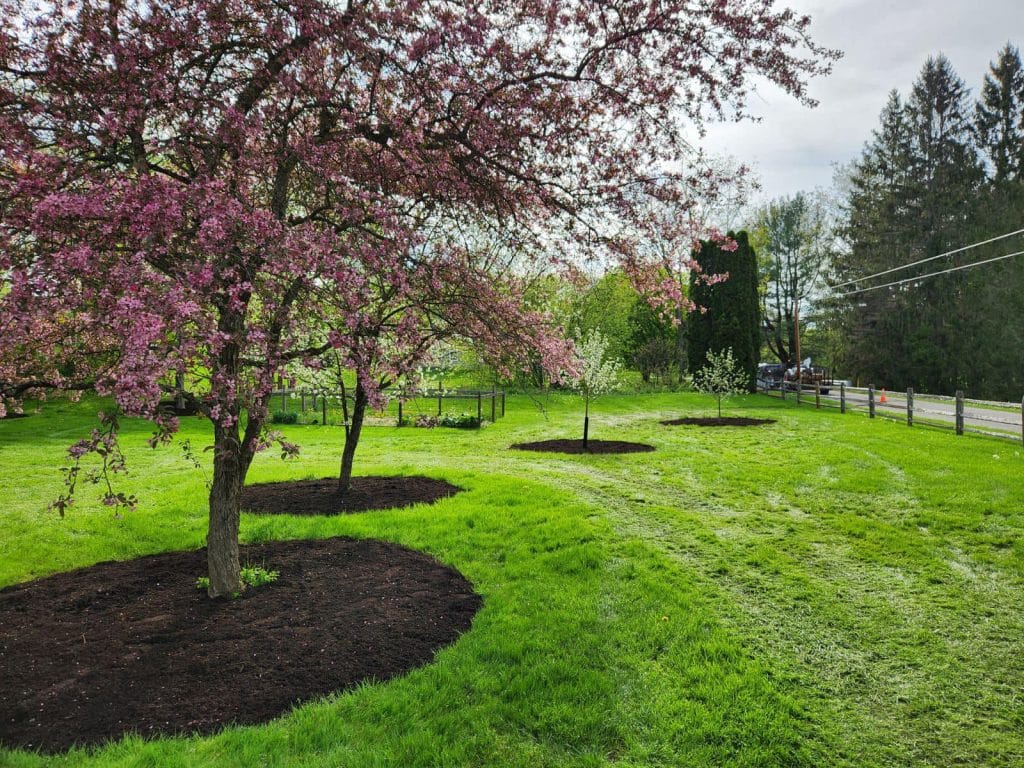
Fruit Tree Management
It begins with a consultation.
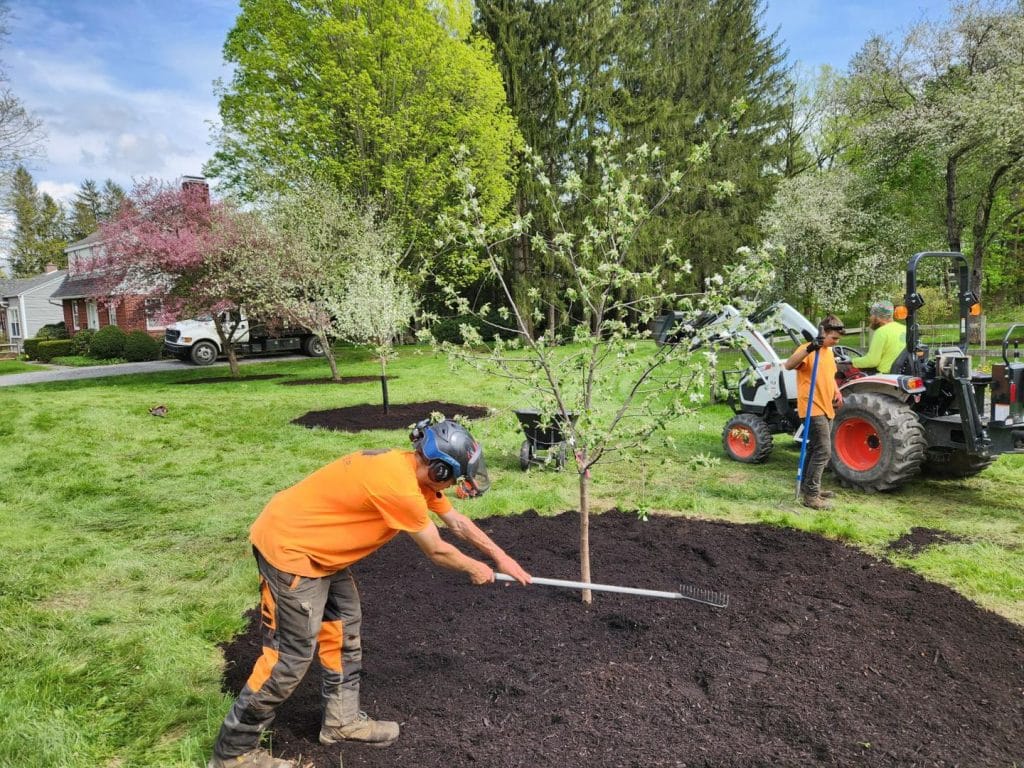
Mulching is key.
We prune during the winter.
Saving Trees
Root Care
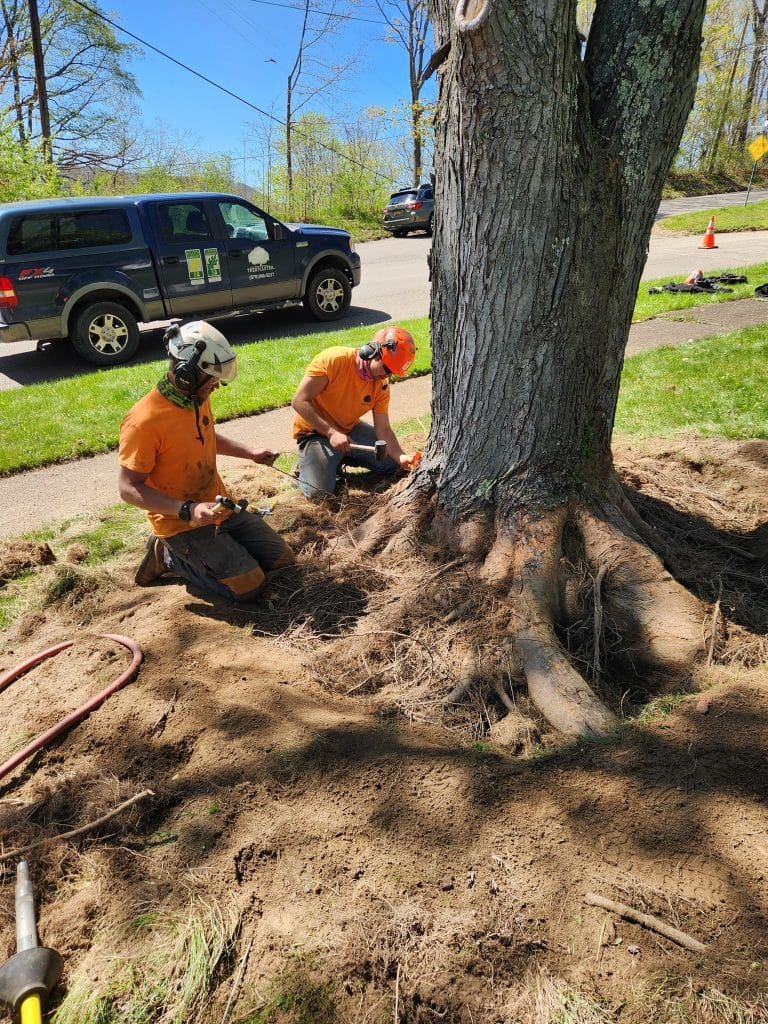
Root Crown Excavation
Girdling Roots
Soil Aeration
Fertilization
Careful
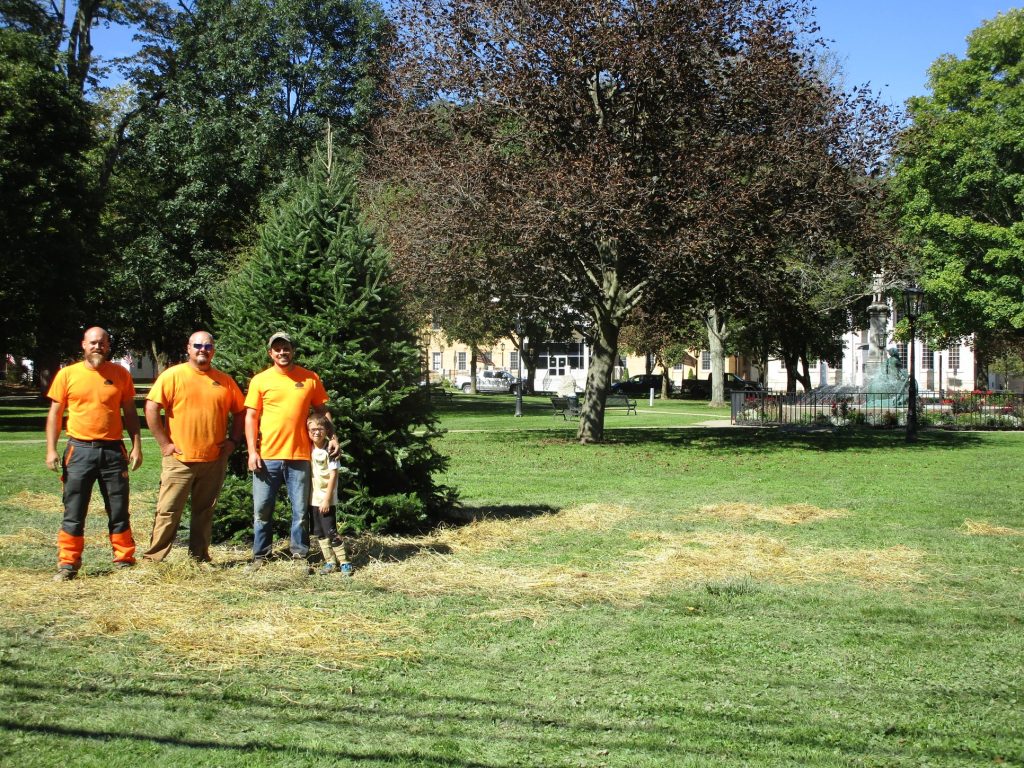
Tree Planting
Frequently Asked Questions
Caring for your trees goes beyond basic maintenance, especially when they show signs of stress, disease, or structural weakness. In this FAQ section, we answer common questions about professional tree care solutions and preservation techniques. From diagnosing tree health issues to implementing advanced treatments, you’ll learn how expert care can protect your landscape, improve safety, and help your trees thrive for years to come.
Professional tree care solutions focus on diagnosing and treating underlying issues that affect a tree’s health, stability, and longevity. These services are often needed when a tree appears stressed, damaged, diseased, or structurally compromised. Rather than immediately removing a tree, certified arborists evaluate whether it can be preserved using science-based methods designed to restore health and reduce risk.
Root crown excavation is a specialized process used to expose the base of a tree when it has been planted too deeply. By using tools that safely remove soil without damaging roots, arborists can correct moisture-related issues and prevent decay. This process helps restore proper airflow and allows the tree to function more naturally.
Tree cabling is a support system used to stabilize trees with weak or compromised structures. By installing flexible cables in the canopy, arborists help reduce stress caused by wind, heavy limbs, or ice and snow. This technique is especially useful for mature trees where removing large limbs is not ideal but additional support is needed to prevent failure.
Girdling roots occur when roots grow in a circular pattern and begin to constrict the tree’s trunk or other roots. This can restrict the flow of water and nutrients, eventually leading to decline. Carefully removing these roots can restore circulation and improve the tree’s overall health.
Soil compaction limits a tree’s ability to absorb essential resources. Aeration relieves this compaction by creating space for air, water, and nutrients to reach the roots. This process encourages healthier root development and can significantly improve a tree’s vigor over time.
Trees benefit from fertilization when the soil lacks essential nutrients. Through soil testing, arborists can determine exactly what a tree needs and apply the appropriate treatment. This targeted approach supports stronger growth, improved resistance to stress, and overall vitality.
